
THE MENSTRUAL CYCLE
At Muze we understand that every female is different. There is no ‘one size fits all’ approach to a women’s menstrual cycle. Our aim is to educate you and provide the care so you can work WITH your cycle, not against it, to perform at your best. The below information is a general overview of the female menstrual cycle, informed by our in-house female specialist Sophie Cuthbert.
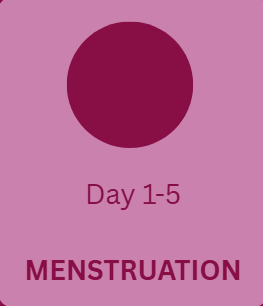
WHAT: Blood and tissue from the previous cycle’s uterine lining (endometrium) are shed through the cervix and vagina. The endometrium is at its thinnest during this phase. A typical period may last up to 8 days, but on average it’s about 5-6 days
HORMONES: Oestrogen and progesterone levels are usually at their lowest. This causes the top layers of the lining to break down and leave the body.
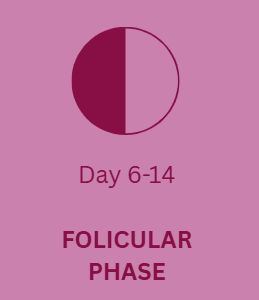
WHAT: Several follicles grow in the ovaries, and one becomes dominant, growing to about the size of a jeans button and preparing to release an egg at ovulation. This phase usually lasts 10–22 days but can vary.
HORMONES: The pituitary gland releases FSH to stimulate egg development, while the dominant follicle produces rising oestrogen levels that peak just before ovulation.
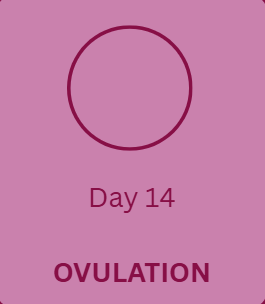
WHAT: The dominant follicle releases an egg into the fallopian tube.
HORMONES: A sudden surge in luteinizing hormone (LH) triggers the release of the egg. Oestrogen levels drop right after ovulation.
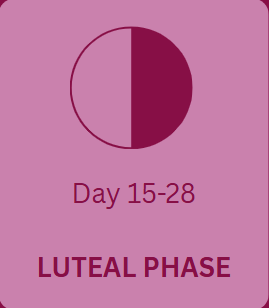
WHAT: After ovulation, the empty follicle becomes the corpus luteum, which produces hormones to support a possible pregnancy and breaks down after about 9–11 days if pregnancy doesn’t occur.
HORMONES: Progesterone (and some oestrogen) rises and then falls, which can cause common premenstrual symptoms; when these hormones drop, menstruation begins.
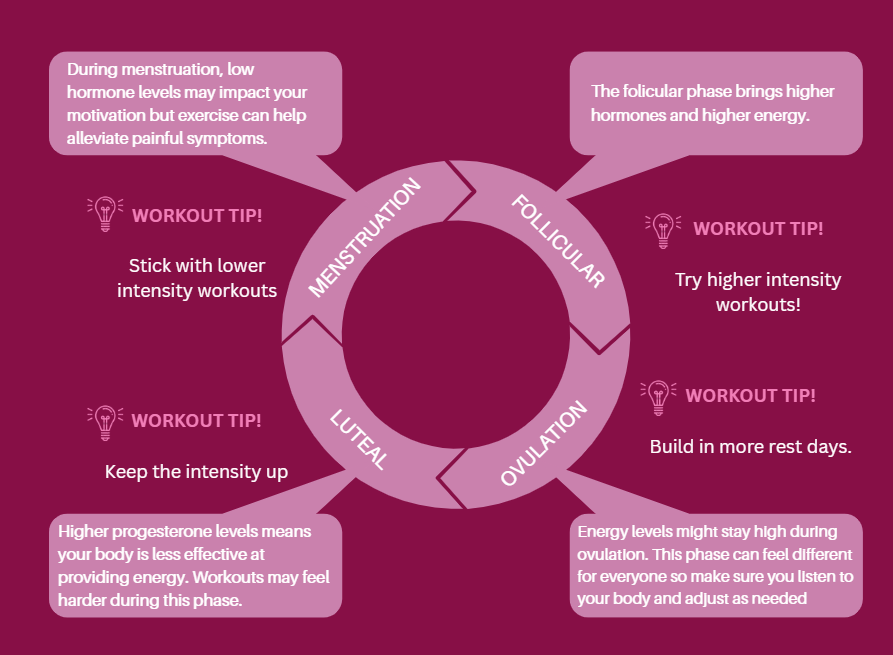
THE MENSTRUAL CYCLE & YOUR TRAINING.
The most valuable thing you can do when learning to understand how your menstrual cycle affects your running is to track it. By tracking your cycle and symptons for at least 3 months you can learn how to best optimise your training - and we can then help you to adjust your training intensity and programming around that!
If you are doing the silver or gold tier programme, we ask that you track your symptoms every day using the ‘symptom tracker’ in this info pack. Alternatively we encourage you to use apps such as ‘Flo’ or ‘Clue’.